Scam Awareness · 5 min read
Avoid Insurance Claim Denials: A Simple Guide
Insurance claims often get rejected due to small technical mistakes. Learn why insurance claims are denied and discover simple, practical steps to avoid claim rejection and protect yourself from stress and recovery pressure.

Insurance is taken for peace of mind. You pay premiums year after year, believing that when something goes wrong, your insurance will step in and protect you. But for many people, claiming time brings a shocking response—“Not covered.”
Despite paying premiums regularly, claims are often denied due to technical reasons, paperwork issues, or fine-print exclusions. This can be stressful, especially when you are already dealing with a difficult situation.
In this blog, you’ll learn why insurance claims get rejected and what practical steps you can take to avoid these traps. With the right awareness and preparation, insurance can truly work as your safety net instead of becoming a source of stress.
Understanding Why Insurance Claims Get Rejected
Insurance claims are usually rejected for reasons that are avoidable. Common causes include mismatched personal details, hidden exclusions, policy lapses, or missing documents.
Many policyholders discover these issues only when they file a claim, which makes the experience frustrating and emotionally draining. Since insurance companies strictly follow policy terms, even small mistakes can lead to rejection.
Understanding these reasons in advance helps you stay prepared. When you know what can go wrong, you can take preventive steps and ensure your insurance provides real support when you need it the most.
How to Avoid Getting Trapped in Insurance Claim Denials
Avoiding claim rejection doesn’t require expert knowledge—just a few proactive habits. The goal is not just to own an insurance policy, but to make sure it actually protects you during emergencies.
Below are practical steps that can help you stay safe.
Fix Mismatched Details
One of the most common reasons for claim denial is incorrect or mismatched information. Your name, date of birth, address, contact number, or bank details must match exactly with the policy records.
Even a small spelling error or outdated detail can delay or reject a claim. Always review your policy documents carefully and update changes immediately. Keeping your details accurate saves time, stress, and repeated follow-ups during claim processing.
Check Hidden Exclusions
Every insurance policy comes with exclusions—specific situations or conditions that are not covered. These are usually mentioned in the fine print, which many people skip.
Certain illnesses, accidents, or damages may be excluded. By understanding these exclusions in advance, you avoid unpleasant surprises during claim time. If needed, you can buy additional coverage or take preventive measures to stay protected.
Knowing what is not covered is just as important as knowing what is covered.
Avoid Policy Lapse
Insurance protection works only when your policy is active. Missing a premium payment or letting your policy lapse is one of the fastest ways to get a claim rejected.
To avoid this, set payment reminders, maintain auto-debit arrangements, or keep a small premium buffer. Even one missed payment—especially in health or life insurance—can cause serious problems during claims.
Consistency keeps your protection intact and stress-free.
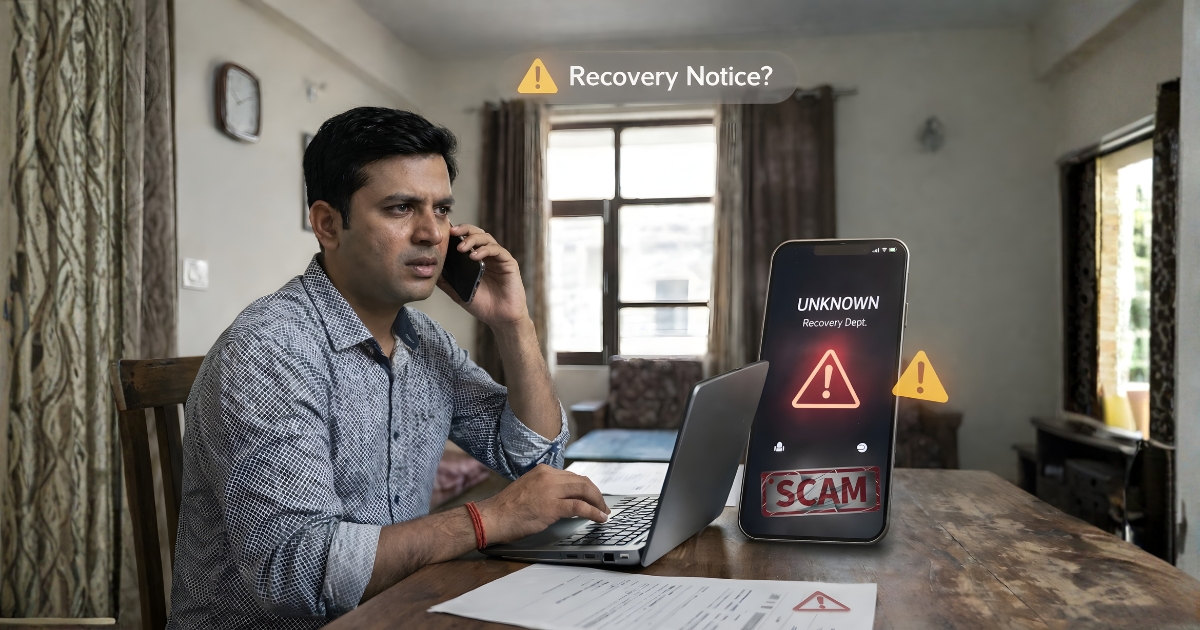
Prepare for Recovery and Harassment Issues
Claim processing can sometimes feel strict, confusing, or overwhelming. Staying calm, informed, and organized makes a big difference.
Always keep copies of policy documents, bills, medical reports, emails, and approval letters. Knowing your rights and having proper records helps you respond confidently if questions arise.
Preparation reduces pressure and ensures you are not pushed around during claim settlement.
Follow Basic Protection Steps
Simple habits can prevent major claim problems. Maintain a dedicated file (physical or digital) for each policy. Inform the insurer immediately after an incident. Collect required documents, photos, reports, and certificates without delay.
These small steps act like a safety net. When documentation is complete and timely, claim approval becomes smoother and faster.
Building a Strong Insurance Protection Habit
Insurance management is more than paying premiums—it’s about staying aware and prepared. Regularly reviewing your policy, updating details, and understanding exclusions helps prevent future claim issues.
Building these habits ensures your insurance remains reliable and stress-free. Over time, insurance stops feeling confusing and becomes a dependable support system that works when life takes an unexpected turn.
Conclusion
Insurance offers real protection only when you understand how it works. Accurate personal details, awareness of exclusions, timely premium payments, and proper documentation are the foundation of a successful claim.
These simple preventive steps save you from claim rejection, unnecessary pressure, and recovery stress. When you stay informed and prepared, you take control before a crisis happens.
If this blog helped you, share your thoughts, experiences, or tips in the comments. Your insight might help someone else avoid insurance claim troubles and stay protected.
FAQs
Why do insurance claims get rejected most often?
Claims are usually rejected due to mismatched details, policy exclusions, missed premiums, or incomplete documents.Can a small mistake really cause claim denial?
Yes. Even minor errors like spelling mistakes or outdated details can delay or reject a claim.Is reading the policy document really important?
Absolutely. The policy document explains exclusions, limits, and conditions that decide whether a claim is approved.What happens if my insurance policy lapses?
A lapsed policy usually leads to claim rejection, especially in health and life insurance cases.How can I protect myself from claim-related stress?
By keeping documents organized, paying premiums on time, understanding exclusions, and informing insurers promptly.
Disclaimer
The information shared in this blog is for general awareness only. Every individual’s situation may differ, and the actual process or outcome can vary based on personal and legal circumstances.