
RBI Guidelines · 4 min read
How to Identify Fake Recovery Agents
Learn how to identify fake recovery agents in India, understand warning signs of recovery scams, and know how to protect yourself from harassment.
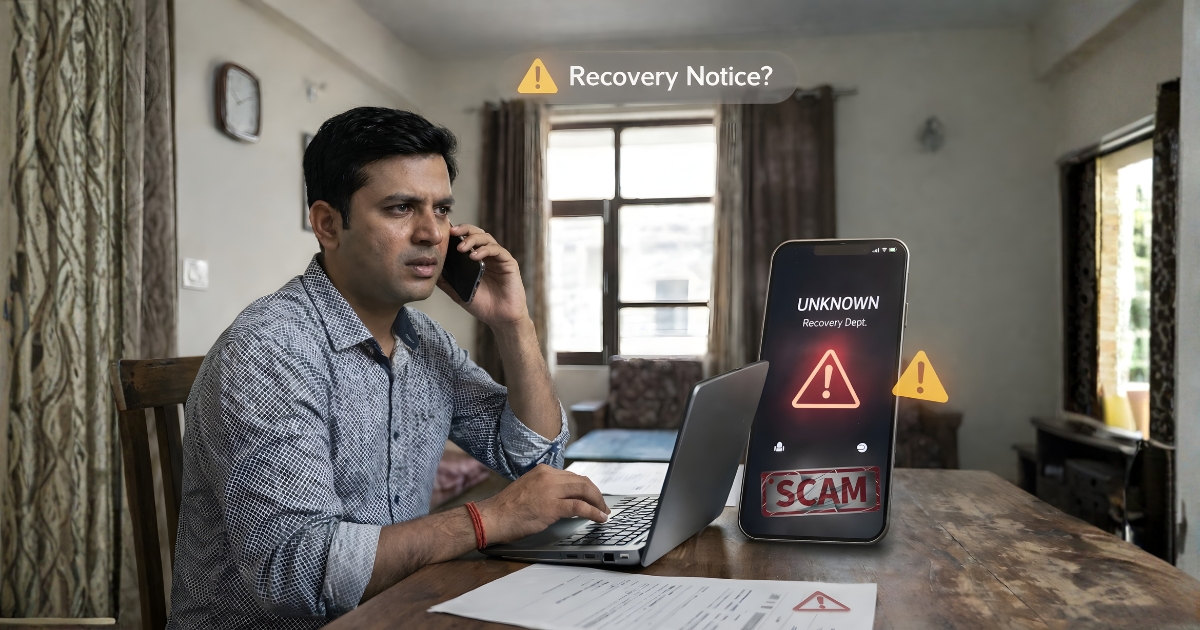
Receiving a call from someone claiming to be a recovery agent can immediately create stress. If you are already dealing with financial pressure, such calls may feel intimidating. However, not every person claiming to represent a bank or lender is genuine.
In recent times, cases of fake recovery agents attempting to scare or mislead borrowers have increased awareness around this issue. Knowing how to identify fake recovery agents is important for protecting your financial security and personal peace.
Let’s understand how to differentiate between genuine recovery communication and suspicious activity.
Who Are Legitimate Recovery Agents?
Banks and financial institutions may appoint authorised representatives to follow up on overdue payments. These representatives are expected to follow professional standards and regulatory conduct guidelines.
Genuine recovery communication typically involves:
Clear identification
Reference to your specific loan account
Professional tone
Verifiable contact information
When these elements are missing, caution becomes necessary.
Warning Signs of Fake Recovery Agents
1. Refusal to Provide Proper Identification
A genuine recovery agent should clearly mention:
The name of the financial institution
Their official designation
Valid contact details
If the caller avoids sharing verifiable information or becomes defensive when asked for identification, it may be a warning sign.
2. Immediate Payment Demands Through Personal Accounts
Fraudsters often pressure borrowers to transfer money quickly into personal bank accounts or unfamiliar digital wallets.
Official lenders usually have structured and documented payment channels. Requests for urgent payment through unofficial accounts should raise concern.
3. Threatening Arrest or Legal Action Instantly
Fake agents commonly use fear tactics. They may threaten arrest, police action, or legal consequences without proper documentation.
While legal recovery processes exist, they follow formal procedures. Instant threats over informal calls are often suspicious.
4. Contacting Family or Colleagues Aggressively
If someone is repeatedly contacting your family members, friends, or workplace without proper context, the conduct may be questionable.
Privacy and dignity are important principles in borrower communication.
5. Inability to Share Loan Details Clearly
A genuine representative should be able to provide basic details such as:
Loan type
Approximate outstanding amount
Date of agreement
If the caller provides vague or inconsistent information, verification is essential.
How to Verify a Recovery Agent
Before reacting to any demand:
Contact your bank directly using the official website details
Ask whether the agent is authorised
Avoid relying only on the caller’s information
Verification reduces the risk of fraud.
Steps to Take If You Suspect a Fake Recovery Agent
1. Do Not Make Immediate Payments
Avoid transferring money until you confirm authenticity through official channels.
2. Preserve Communication Records
Keep screenshots of messages, call logs, and any payment instructions. Documentation may be helpful if reporting becomes necessary.
3. Avoid Sharing Sensitive Information
Never share OTPs, banking passwords, card details, or identity documents during suspicious communication.
4. Report Suspicious Activity
If fraud is suspected, you may consider reporting the matter through:
Your bank’s grievance redressal system
Official cybercrime reporting portals
Appropriate authorities if required
Taking structured steps helps protect yourself and others.
Emotional Impact of Fake Recovery Harassment
Fake recovery calls can:
Increase anxiety
Create confusion
Affect family peace
Lead to rushed financial decisions
Staying calm and verifying information helps prevent escalation.
Difference Between Harassment and Legitimate Recovery
It is important not to assume every recovery attempt is fake. At the same time, blind trust can be risky.
The difference usually lies in:
Transparency
Professional behaviour
Proper documentation
Official verification
Balanced awareness protects borrowers from both fraud and unnecessary panic.
When to Seek Structured Guidance
If communication becomes overwhelming or feels threatening, some borrowers explore structured guidance to understand their rights and options.
Support can help in:
Clarifying whether communication is legitimate
Reducing harassment stress
Managing repayment discussions responsibly
If you are experiencing recovery-related harassment and need clarity, platforms like Lawyerpanel.org provide borrower-focused support to help handle such situations responsibly.
Conclusion
Fake recovery agents rely on fear and urgency. The best defence is awareness, verification, and a calm response.
Before making any payment or reacting emotionally, confirm authenticity through official channels. Protecting your financial information and maintaining documentation are essential steps toward safeguarding yourself.
Financial stress should not make you vulnerable to fraud. Awareness remains your strongest protection.
FAQs
1. How can I confirm if a recovery agent is genuine?
You can verify directly with your lender through official contact details.
2. Should I ignore recovery calls completely?
Ignoring calls may not always resolve the issue. Verification is safer.
3. Can fake recovery agents threaten legal action?
Fraudsters may use intimidation tactics. Proper legal processes usually follow documented procedures.
4. What if I already transferred money to a suspicious account?
Preserve records immediately and consider reporting through appropriate channels.
5. Are fake recovery scams common?
Financial stress can make borrowers vulnerable, which is why awareness is important.
Disclaimer
The information shared in this blog is for general awareness only. Every borrower’s situation may differ, and the actual process or outcome can vary based on individual circumstances.
_1_.E8kmHkSz.jpg)
.CCuHxg6L.jpg)