
RBI Guidelines · 5 min read
Latest RBI Guidelines on Bank Recovery Agents: What Borrowers Should Know
Understand RBI guidelines for recovery agents, borrower rights, and how to handle loan recovery contacts respectfully.
_1_.E8kmHkSz.jpg)
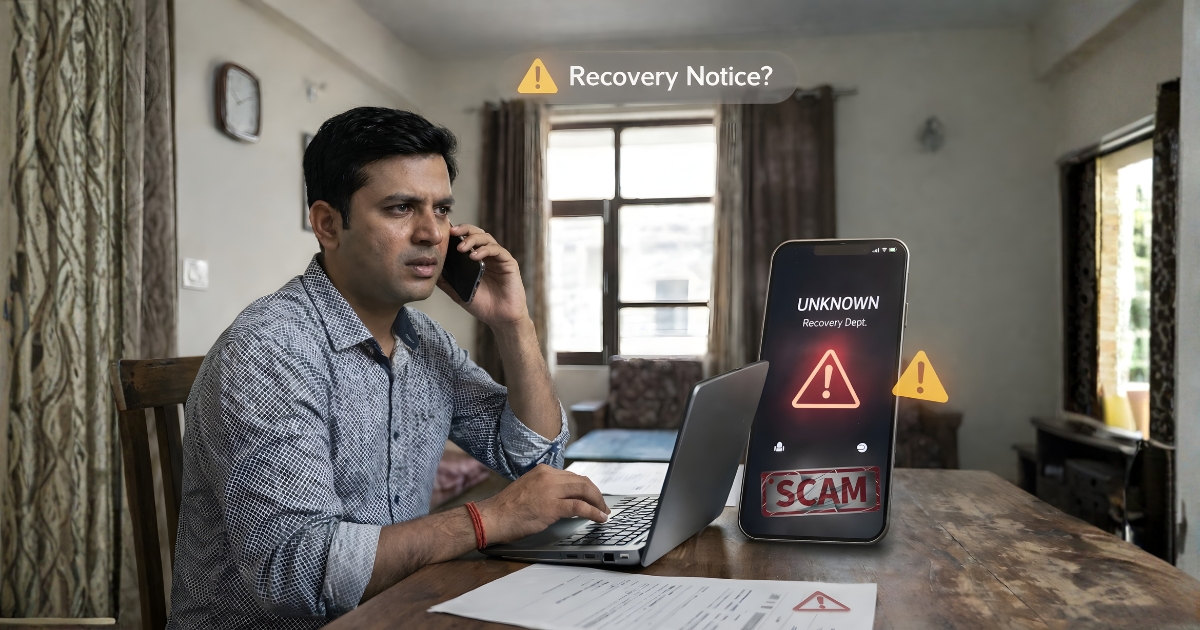
When loan repayments fall behind, banks and financial institutions may engage recovery agents to follow up with borrowers. While the goal for lenders is to recover overdue amounts, the Reserve Bank of India (RBI) has put in place clear expectations on how this should happen, especially when it comes to respecting the borrower’s privacy and dignity.
These guidelines aim to balance a lender’s right to recover a loan with a borrower’s right to respectful and fair treatment. For many people in India, especially those dealing with debt settlement, loan repayment challenges, or credit card dues, understanding these norms can help reduce stress and avoid uncomfortable or inappropriate interactions.
Here’s a simple, friendly guide to what the RBI expects from banks and their recovery agents, and what borrowers should know when they face loan follow-ups.
What Are Recovery Agents and Why Do Banks Use Them?
Recovery agents are individuals or agencies appointed by banks, NBFCs, or other lenders to get in touch with borrowers when repayment becomes overdue. Their role, in principle, is to help lenders communicate with borrowers about outstanding payments in a structured and respectful way.
But because the process sometimes becomes stressful for borrowers, RBI has set guidelines to ensure that recovery outreach stays within ethical and fair boundaries.
1. Respectful and Polite Communication
RBI guidelines emphasize that recovery agents must communicate with you in a respectful and courteous manner. They should not use abusive, threatening, intimidating, or derogatory language when calling or meeting you.
This applies whether the interaction is by phone, text, or in person, every communication must be professional and calm.
Key Points:
Avoids intimidation
Encourages dignity in all discussions
Agents must be trained and certified
2. Contact Hours Are Restricted
One of the most commonly referred guidelines is about when recovery agents are allowed to contact borrowers.
According to the RBI’s expectations, agents should only reach out during reasonable hours, typically during the daytime, and generally between 7:00 AM to 7:00 PM (or similar reasonable periods). Contact outside these hours, such as late at night or early morning, can be considered inappropriate or harassment.
This helps protect your privacy and ensures contacts don’t disrupt your personal or family time.
3. Privacy and Confidentiality Must Be Respected
Recovery agents are not allowed to reveal your financial situation to others such as neighbours, colleagues, or unrelated third parties. They must interact with you or authorised contacts only.
Agents must also ensure your personal information is kept confidential and not shared without proper authorisation or legal requirement.
4. Identification and Transparency
RBI expectations include that recovery agents show clear identification when they reach out or visit. This means:
They should clearly state who they are
They should identify the bank or institution they represent
They should avoid any misleading or covert contact
Transparency helps borrowers verify that the contact is genuine and not fraudulent.
5. Documentation and Clear Communication
All communication by recovery agents should be well-documented and transparent. They should provide you with written details if requested, such as repayment plans, outstanding amounts, or any arranged agreements, so you are not left confused or misinformed.
Accurate documentation can help you keep track of discussions and avoid misunderstandings.
6. No Harassment or Intimidation
RBI’s fair practices guidance makes it clear that harassment or intimidation is not permitted, regardless of how long a loan has been overdue. This means:
No threats of violence or illegal action
No coercive or abusive language
No repeated excessive calling
No public embarrassment or shaming
If an agent crosses these lines, you can take action with your lender or escalate the matter.
7. Borrower Rights in the Recovery Process
Alongside these agent guidelines, borrowers also have rights when they face recovery outreach:
Right to Fair Treatment: You can expect respect and dignity in all interactions.
Right to Privacy: Your financial details should remain confidential
Right to Information: You can request clear details of your loan account and repayment status.
Right to Complain: If guidelines are violated, you can report the matter to your bank’s grievance officer, and if unresolved, escalate to the RBI Ombudsman.
These rights aim to protect borrowers while ensuring the recovery process remains both fair and transparent.
8. What Borrowers Can Do If Norms Are Not Followed
If you feel a recovery agent’s behaviour is inappropriate or beyond what’s acceptable:
Document the interaction: Save call logs, texts, or notes of any visit.
Ask the agent for ID or written details: Legitimate agents should provide their identity and authorisation.
Contact your lender’s grievance officer: Share your concerns professionally.
Escalate to the Banking Ombudsman: RBI’s Ombudsman Scheme allows you to take unresolved complaints to a neutral authority.
These steps help ensure your voice is heard and improper behaviour is addressed.
Final Thoughts
The RBI guidelines on bank recovery agents are designed to protect your rights during loan recovery, ensuring that the process stays respectful, transparent, and fair. While banks have the right to recover overdue loans, borrowers also have rights that must be upheld throughout the interaction.
Knowing these expectations can give you confidence and clarity when facing outreach from recovery agents, and help you take informed action if anything feels inappropriate.
FAQs
What are RBI recovery agent guidelines about contact times?
Recovery agents should only contact borrowers during reasonable hours, typically between morning and early evening.Can recovery agents publicly discuss my debt?
No, privacy protections mean they should not share your debt details with unrelated third parties.What should a legitimate recovery agent do when contacting me?
They should identify themselves, state who they represent, and behave respectfully.Can I complain if an agent harasses me?
Yes, you can first take it up with your lender’s grievance officer, and if unresolved, with the RBI Ombudsman.Are recovery agents allowed to threaten borrowers?
RBI guidelines and fair practice expectations prohibit abusive, harassing, or threatening behaviour.
Disclaimer
The information shared in this blog is for general awareness only. Every borrower’s situation may differ, and the actual process or outcome can vary based on individual circumstances.

.CCuHxg6L.jpg)