
Credit Card Debt Resolution · 4 min read
What Happens If You Stop Paying Credit Card Dues in India?
Understand what may happen if you stop paying credit card dues in India, how lenders usually respond, and what options borrowers can explore during repayment stress.
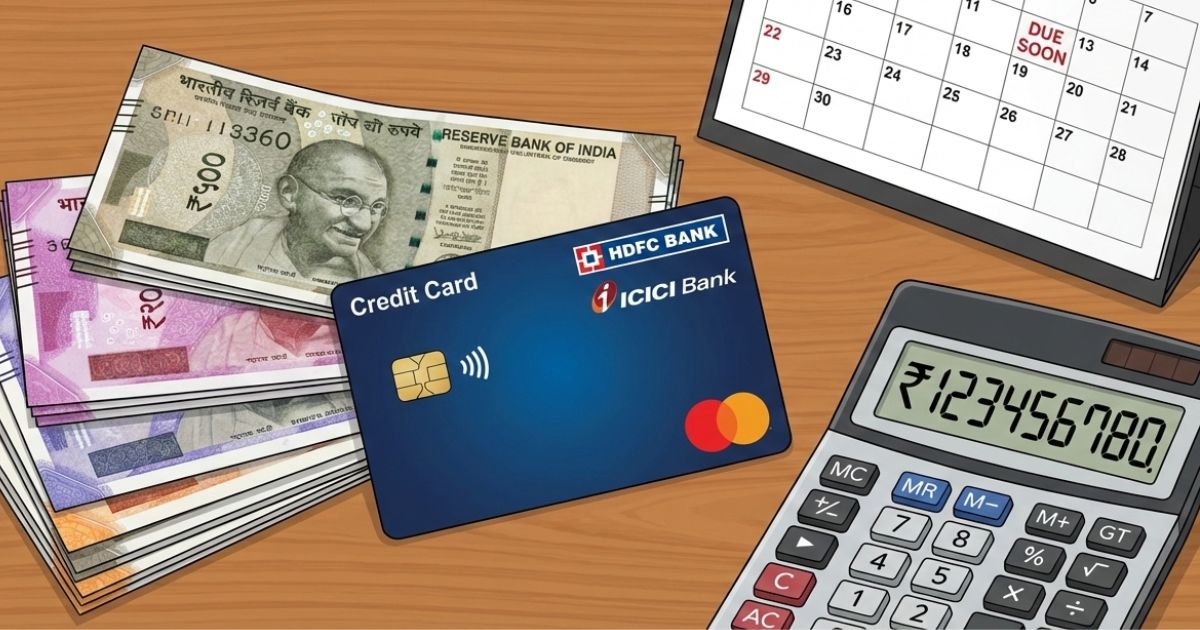
Credit cards are widely used in India for convenience, emergencies, and day-to-day expenses. However, when financial situations change due to job loss, business slowdown, medical issues, or unexpected responsibilities, paying credit card dues can become difficult.
Many borrowers silently ask themselves:
“What will happen if I stop paying my credit card dues?”
This question often comes with fear, confusion, and anxiety. While every situation is different, understanding what generally happens after missed credit card payments can help borrowers prepare mentally and respond more calmly.
This blog explains the possible stages and outcomes, without making guarantees or legal claims, so you can understand the process better.
Why People Stop Paying Credit Card Dues
Stopping credit card payments is rarely intentional. Most borrowers face genuine difficulties such as:
Sudden income reduction
Business losses
Medical or family emergencies
Multiple loan obligations
Rising living expenses
In most cases, people stop paying because repayment becomes unmanageable, not because they want to ignore responsibility.
What Usually Happens After You Miss Credit Card Payments
While responses may vary by lender and situation, borrowers often experience a gradual sequence of events rather than an immediate extreme outcome.
1. Missed Payment and Follow-Up Communication
After a payment is missed, lenders usually start with reminders. These may come through:
Phone calls
Messages or emails
Account notifications
At this stage, the intent is often to understand why the payment was missed and encourage repayment.
2. Increased Follow-Ups and Recovery Outreach
If payments continue to be missed, communication may become more frequent. Some borrowers begin receiving calls from recovery teams or third-party agents acting on behalf of the lender.
This phase can feel stressful, especially if the borrower is already under financial pressure.
3. Impact on Credit History
Non-payment of credit card dues may affect your credit profile over time. Missed payments can be recorded, which may influence future borrowing ability.
The extent of impact varies based on duration, amount, and how the situation is eventually handled.
4. Escalation of Recovery Efforts
If dues remain unpaid, lenders may escalate recovery efforts. This can include:
More formal communication
Home visits by authorised agents
Requests for settlement discussions
While recovery agents can contact borrowers, they are expected to follow respectful conduct standards.
5. Emotional and Mental Stress
One of the biggest effects of stopping credit card payments is emotional strain. Borrowers often report:
Anxiety due to frequent calls
Fear of confrontation
Stress affecting family life
Difficulty focusing on work
This emotional pressure is often heavier than the financial burden itself.
Are Recovery Agents Allowed to Harass Borrowers?
A common fear among borrowers is harassment by recovery agents.
While recovery agents may contact borrowers regarding dues, they are expected to:
Communicate respectfully
Avoid threats or intimidation
Maintain privacy
Follow reasonable contact practices
If interactions feel inappropriate, borrowers can document the behaviour and seek guidance.
Should You Ignore Credit Card Dues Completely?
Ignoring the situation usually makes it more stressful. Avoiding communication can lead to:
Increased pressure
Misunderstandings
Missed opportunities to discuss options
Greater emotional distress
Many borrowers find that calm, structured communication, even during difficulty, helps reduce stress.
What Options Do Borrowers Commonly Explore?
When repayment becomes difficult, borrowers often look into:
Understanding repayment flexibility
Speaking directly with the lender
Exploring structured resolution or settlement discussions
Seeking professional guidance for communication clarity
Not every option suits every situation, but awareness helps borrowers choose responsibly.
Role of Professional Guidance During Credit Card Stress
Some borrowers prefer managing things independently, while others seek support when:
Recovery pressure becomes overwhelming
Communication feels confusing
They want clarity on next steps
Emotional stress increases
Professional guidance does not guarantee outcomes, but it may help borrowers feel more informed and supported.
Common Misunderstandings About Credit Card Non-Payment
“One missed payment means immediate legal action”
Processes usually happen in stages.
“Recovery agents can act without limits”
There are conduct expectations in place.
“Nothing can be done once payments stop”
Borrowers often still have options to explore.
Conclusion
Stopping credit card payments is often a result of genuine financial stress, not carelessness. While missing payments can lead to follow-ups, recovery outreach, and credit impact, understanding the process helps reduce fear and confusion.
If you are struggling with credit card dues, staying informed, calm, and proactive can help you handle the situation more responsibly. Awareness is the first step toward regaining control, even during difficult times.
FAQs
1. What happens if I miss credit card payments in India?
Lenders usually begin with reminders and follow-up communication before escalating further.
2. Will my credit score be affected if I stop paying dues?
Missed payments may impact credit history over time, depending on the situation.
3. Can recovery agents harass borrowers?
Recovery agents are expected to follow respectful conduct practices.
4. Should I speak to the bank if I can’t pay?
Many borrowers find that communication helps reduce confusion and stress.
5. Can a professional assist with credit card repayment issues?
Some borrowers seek guidance for clarity and stress management.
Disclaimer
The information shared in this blog is for general awareness only. Every borrower’s situation may differ, and the actual process or outcome can vary based on individual circumstances.
.Ccsr6nps.jpg)
.4C8tI_ta.jpg)