
Personal Loan Resolution · 4 min read
Startup Founders, Personal Guarantees & Debt Liability
Learn how personal guarantees expose startup founders to personal debt liability, asset risk, and legal recovery under Indian law.

A personal guarantee is a legal commitment given by a startup founder or director to repay a business loan if the company fails to do so. Although a startup is incorporated as a separate legal entity, a personal guarantee overrides this separation by making the individual personally liable for the debt. Once executed, a personal guarantee becomes a binding contractual obligation enforceable under Indian law.
Many founders sign personal guarantees at an early stage without fully appreciating their long-term impact, assuming that personal liability ends if the business shuts down. In reality, a personal guarantee continues to remain enforceable even after the company ceases operations.
Why Banks Ask Founders to Sign One
Banks and NBFCs consider early-stage startups high-risk due to limited operating history, uncertain revenue streams, and lack of tangible collateral. To mitigate this risk, lenders insist on personal guarantees from promoters or directors. This provides lenders with an additional recovery route beyond the company’s assets.
While personal guarantees help startups access credit, they also shift business risk onto the founder’s personal finances—often without adequate negotiation or legal awareness.
When the Business Fails—What Happens Legally
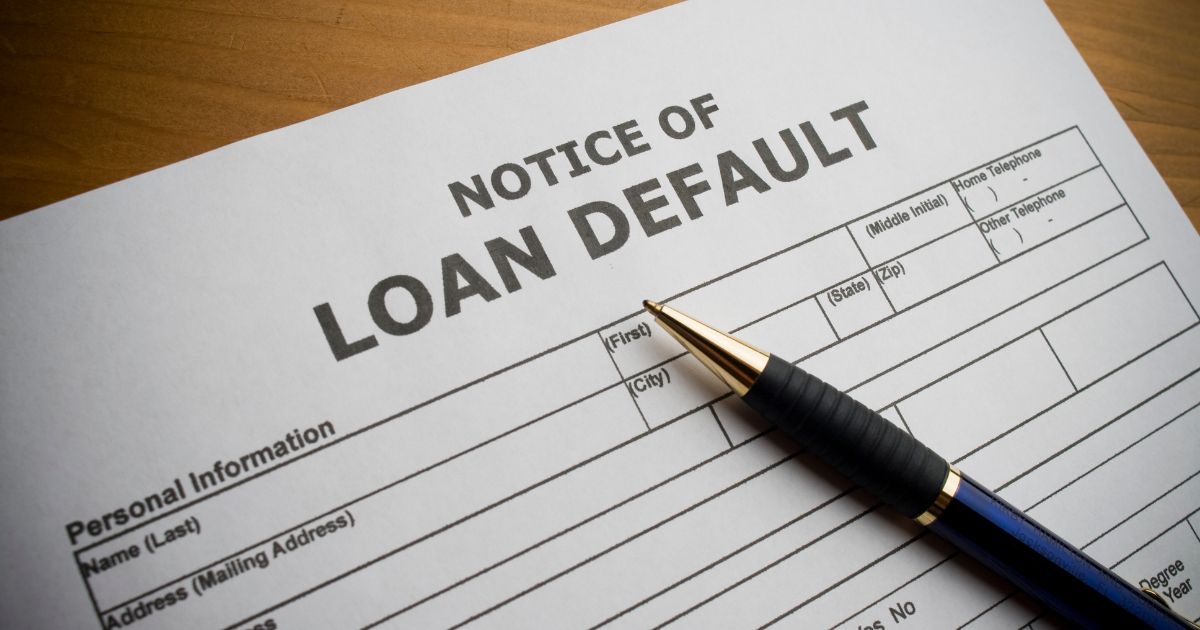
In case of default, lenders typically initiate recovery against the company first. However, if the company lacks sufficient assets or becomes insolvent, lenders are legally entitled to invoke the personal guarantee and proceed directly against the founder.
Importantly, lenders are not required to exhaust remedies against the company before proceeding against the guarantor. Courts in India have consistently upheld this principle, allowing lenders to recover from personal guarantors independently of company insolvency proceedings.
Risks to Personal Property & Savings
Invocation of a personal guarantee exposes a founder’s personal assets to recovery proceedings. This may include bank accounts, fixed deposits, investments, and, in some cases, residential property. Salary attachments and scrutiny of jointly owned assets are also possible under lawful recovery mechanisms.
For many founders, this comes as an unexpected shock, especially when they believed incorporation provided complete protection from personal liability. The emotional and financial impact can be significant, particularly when recovery efforts become aggressive.
Negotiation, Restructuring & Settlements
Despite the seriousness of personal guarantee liability, default does not eliminate the possibility of resolution. Lenders may agree to restructure loans, extend repayment timelines, or offer one-time settlement options, especially where default is due to genuine business failure rather than wilful neglect.
Founders who engage early, maintain transparent communication, and present realistic repayment proposals are often better positioned to negotiate favourable outcomes. Proper documentation and timely engagement are critical in such negotiations.
Legal Rights Founders Often Don’t Know
Even personal guarantors are protected under Indian law. Recovery must comply with legal and regulatory standards, and harassment, threats, or coercive tactics are unlawful. As per guidelines issued by the Reserve Bank of India, recovery agents must follow fair conduct norms and respect borrower dignity.
Founders also have the right to question inflated claims, unlawful penalties, and improper invocation of guarantees. A careful review of loan documentation often reveals procedural lapses that can be challenged legally.
Final Takeaway
Personal guarantees are among the most underestimated risks faced by startup founders in India. While they may be necessary to access early-stage credit, they should never be treated as routine paperwork. Understanding their implications, negotiating terms upfront, and acting promptly during financial distress can prevent a business setback from turning into a personal financial crisis.
For founders, legal awareness around personal guarantees is not optional—it is essential.
FAQs
1. Are startup founders personally liable for business loans in India?
Yes. If a founder has signed a personal guarantee, they can be held personally liable for repayment even if the startup shuts down or becomes insolvent.
2. Can banks recover money directly from a personal guarantor?
Yes. Under Indian law, lenders can proceed directly against the personal guarantor without first exhausting recovery from the company.
3. Does company incorporation protect founders from loan liability?
Only partially. Incorporation protects founders unless a personal guarantee is signed, which overrides limited liability.
4. Can personal assets be attached for startup loan default?
Yes. Bank accounts, investments, salary, and in some cases residential property can be attached under lawful recovery proceedings.
5. Is loan settlement possible after a personal guarantee is invoked?
Yes. Banks may offer restructuring or one-time settlement options, especially in cases of genuine business failure.
Disclaimer
The information shared in this blog is for general awareness only. Every individual’s situation may differ, and the actual process or outcome can vary based on personal and legal circumstances.
.Ccsr6nps.jpg)
