Featured post
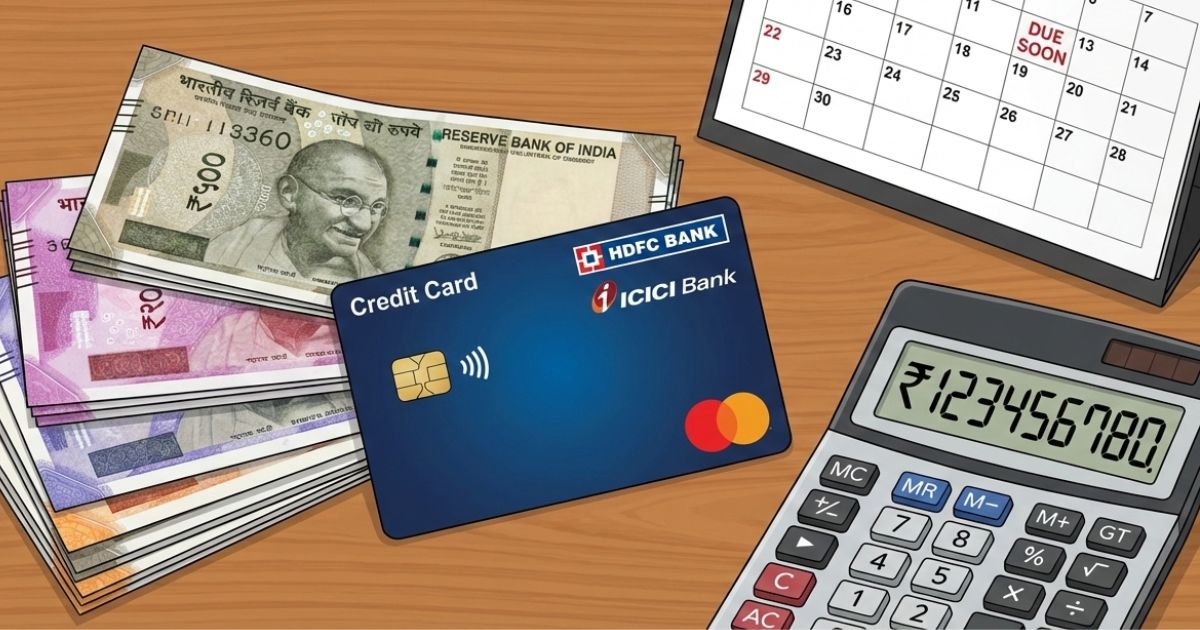
What Happens If You Stop Paying Credit Card Dues in India?
Understand what may happen if you stop paying credit card dues in India, how lenders usually respond, and what options borrowers can explore during repayment stress.
Payments accepted only via official payment links. Never pay to personal UPI/QR/bank accounts. Report misuse here

Featured post
Understand what may happen if you stop paying credit card dues in India, how lenders usually respond, and what options borrowers can explore during repayment stress.
Understand RBI guidelines for recovery agents, borrower rights, and how to handle loan recovery contacts respectfully.
_1_.E8kmHkSz.jpg)
Cumulative loans may seem helpful but often lead to a debt trap. Recognize warning signs, seek legal and financial advice, and manage debt wisely for financial stability.


When you take out a loan, whether for a house, car, or education, you expect the process to go smoothly. But what happens if something goes wrong? If you find yourself in a dispute with your lender, it can be frustrating and confusing at times. This is where an ombudsman comes into play. Let’s break down what an ombudsman is and how they can help you in loan settlement disputes.

Peer-to-peer (P2P) lending has revolutionized how people and companies obtain capital. P2P platforms provide an alternative to conventional banking practices by utilizing technology to establish direct connections between borrowers and lenders.

Loan settlement helps borrowers resolve debt for a reduced amount. Despite misconceptions, it’s a strategic option that prevents defaults, minimizes financial strain, and aids recovery.

One of the most overwhelming feelings in this world is the burden of multiple loans like personal loans, credit card dues, and payday loans, especially in a society like ours. We live in a society where taking loans is easy; however, financial literacy still lags behind. However, all it takes is the correct strategy, and with the right steps anyone can come out of this trap.

The ideology behind incorporating Alternative Dispute Resolution (ADR) into the legal mainstream is twofold. First, it aims to provide speedy redressal for various legal issues that arise between parties. Second, it seeks to prevent courts from becoming overburdened with such cases. However, a fundamental pillar of ADR is the mutual consent of both parties; if this consent is vitiated, the structure of ADR is compromised.

In recent years, loan settlements have become increasingly intricate, often involving multifaceted legal and financial considerations. As more borrowers face financial distress, legal advocates have emerged as essential partners in navigating this process.