Featured post
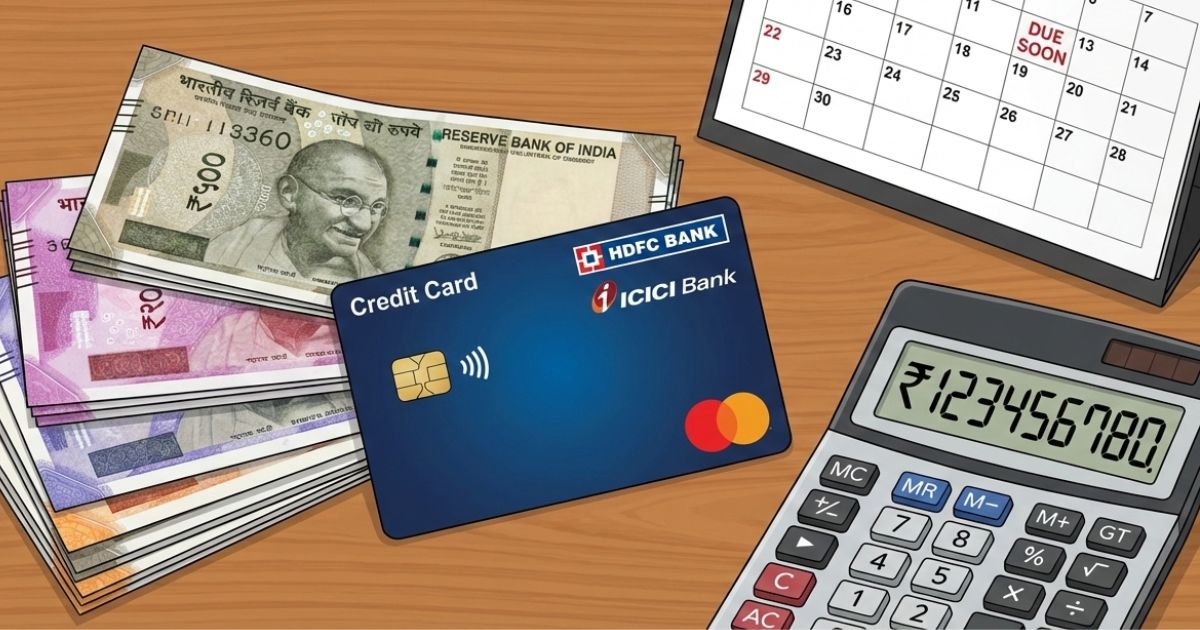
What Happens If You Stop Paying Credit Card Dues in India?
Understand what may happen if you stop paying credit card dues in India, how lenders usually respond, and what options borrowers can explore during repayment stress.
Payments accepted only via official payment links. Never pay to personal UPI/QR/bank accounts. Report misuse here

Featured post
Understand what may happen if you stop paying credit card dues in India, how lenders usually respond, and what options borrowers can explore during repayment stress.
Understand RBI guidelines for recovery agents, borrower rights, and how to handle loan recovery contacts respectfully.
_1_.E8kmHkSz.jpg)
Cumulative loans may seem helpful but often lead to a debt trap. Recognize warning signs, seek legal and financial advice, and manage debt wisely for financial stability.


Learn how garnishee orders work in India, how they can freeze your bank account or salary, and the legal steps you can take to protect yourself.
 (1).BV0CScn-.jpg)
Victims of illegal recovery practices by banks in India can claim compensation under tort law, RBI guidelines, and consumer protection laws. Here's how.
_ Pros_ Cons_ and Legal Safeguards in India.CqNeSsqZ.jpg)

Explore the pros, cons, legal safeguards, and credit impact of One-Time Settlement (OTS) in India. Learn when to opt and how to negotiate effectively.

Borrowing money to invest in Bitcoin left many Indians trapped in debt, while gold delivered steady returns. Learn why using loans for risky investments is dangerous, how to avoid debt traps, and which safer strategies can protect your wealth.

In the global landscape of recovery practices, each chapter tells a story of both victory and adversity. Despite India’s flourishing economy and ambitious strides, it still struggles to maintain a fair balance between the human rights of borrowers and the interests of lenders.

If a bank auctions your property without notice, you can challenge it under SARFAESI. Learn about notice rules, landmark judgments, and remedies available to borrowers.