Featured post
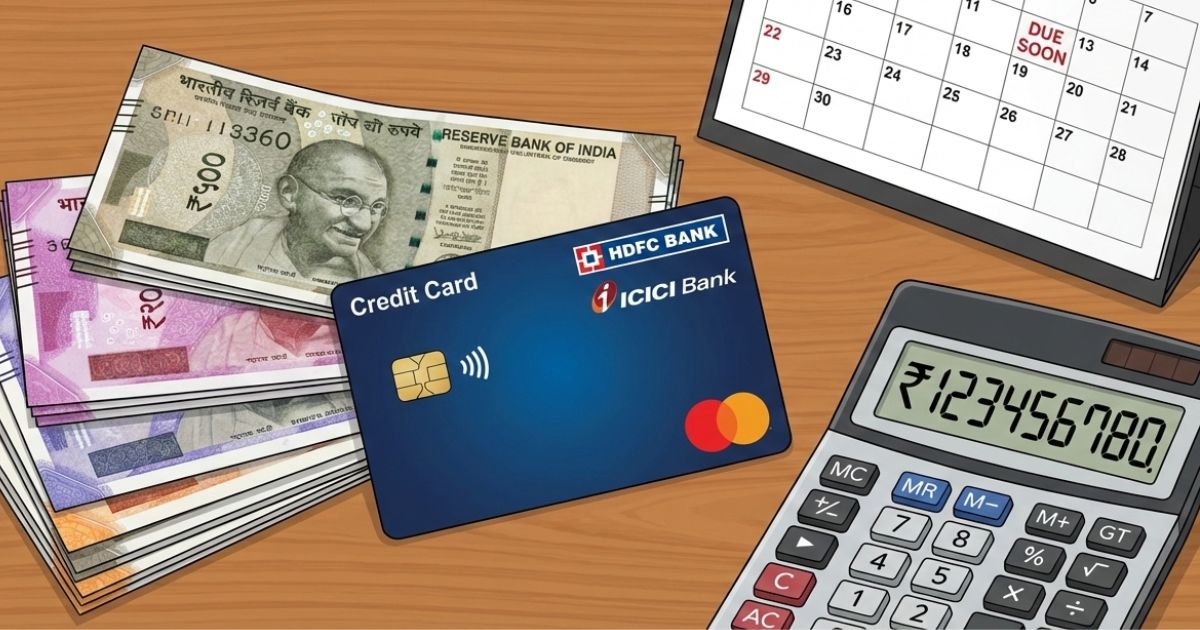
What Happens If You Stop Paying Credit Card Dues in India?
Understand what may happen if you stop paying credit card dues in India, how lenders usually respond, and what options borrowers can explore during repayment stress.
Payments accepted only via official payment links. Never pay to personal UPI/QR/bank accounts. Report misuse here

Featured post
Understand what may happen if you stop paying credit card dues in India, how lenders usually respond, and what options borrowers can explore during repayment stress.
Understand RBI guidelines for recovery agents, borrower rights, and how to handle loan recovery contacts respectfully.
_1_.E8kmHkSz.jpg)
Cumulative loans may seem helpful but often lead to a debt trap. Recognize warning signs, seek legal and financial advice, and manage debt wisely for financial stability.


A popular financial option these days is a loan against LIC, especially for those individuals who are ready to submit their life insurance as collateral to meet any urgent financial obligation. In this kind of loan, policyholders can use their policy as collateral to obtain the loan. While there are certain advantages, there are also some drawbacks. Let’s explore the pros and cons of such loans through this blog.

An important consideration when evaluating your creditworthiness for credit cards and loans is your CIBIL score. A poor score can seriously impair your ability to obtain credit, particularly after a settlement with a bank or other financial institution. Settlements, in which the lender agrees to accept a smaller sum than what was initially owed, are often used as a last resort to settle debt. Although this resolves the debt immediately, it negatively impacts your credit report and lowers your CIBIL score.

Lenders are increasingly including clauses in loan agreements that mandate Online Dispute Resolution (ODR) for any disputes arising between them and the borrower. While ODR offers a faster and potentially cheaper alternative to traditional court cases, these clauses often come with a twist: the option of a sole arbitrator chosen by the lender. This raises concerns about fairness and transparency in dispute resolution for borrowers.

India is a land of vibrant colors, where dreams are as big as the hearts that carry them. However, a growing menace is spreading across the country like a plague. It’s an old story with a new technological twist. The cost of debt, dreams, and desperation is sometimes paid with people’s lives. Delving into the recovery sector in India is like navigating rough waters, but I invite you to take a plunge to truly understand the agony of borrowers and the people affected by this crisis.

India’s legal landscape has witnessed pivotal cases that challenge unethical loan recovery practices, highlighting the imbalance between lenders’ rights and borrowers’ dignity. Loan recovery agents, often acting on behalf of lenders, have been notorious for using intimidation tactics such as public shaming, threats of violence, and harassment of family members to recover debts.

In today’s world of easy credit, many people are lured into chasing quick money and lifestyle upgrades. The allure of instant gratification often outweighs the long-term consequences, leading to financial strain and debt that can be difficult to escape.